

Responsible Component Sourcing: A Guide for Manufacturers

June 8, 2026

Share this article

Responsible component sourcing is the strategic procurement of electronic parts through verified, ethical, and high-quality channels. It ensures that manufacturers receive authentic, functional components—even when dealing with hard-to-find or obsolete inventory—by utilizing rigorous testing, transparent documentation, and a vetted global network to mitigate supply chain risks and counterfeits.

What is responsible component sourcing for electronics?

Responsible component sourcing goes beyond simply finding a part at the right price. In the electronics industry, it represents a commitment to quality, authenticity, and supply chain integrity. For manufacturers, this means establishing a procurement process that can withstand market volatility while ensuring that every resistor, capacitor, or integrated circuit integrated into a final product meets strict performance and safety standards.

At its core, responsible sourcing addresses three primary concerns: reliability, ethical procurement, and long-term sustainability. Reliability ensures the components work as intended, reducing the risk of product failure or costly recalls. Ethical procurement involves vetting suppliers to ensure they adhere to fair labor practices and environmental regulations. Sustainability, in the context of electronics, refers to managing the lifecycle of components, particularly when parts become end-of-life (EOL) or obsolete.

By partnering with an experienced electronic component distributor , manufacturers can navigate these complexities. Responsible sourcing requires a deep understanding of the global marketplace, where shortages and "grey market" risks are common. A responsible approach involves verifying the pedigree of every part, ensuring it has been handled correctly and stored in climate-controlled environments to prevent degradation.

Aisle of warehouse shelves stocked with boxes and supplies under bright overhead lights.

The Role of Global Supplier Networks in Risk Mitigation

When standard distribution channels face long lead times, manufacturers often look toward the independent market. This is where a robust global supplier network becomes essential. Odic MG leverages a vast, vetted network to locate components that are otherwise unavailable through traditional means. However, the sheer size of a network is not as important as the quality of the relationships within it.

Risk mitigation in a global network involves:

  • Continuous Supplier Vetting: Evaluating suppliers based on historical performance, certifications, and financial stability.
  • Geographic Diversity: Sourcing from multiple regions to bypass localized supply chain disruptions or logistics bottlenecks.
  • Real-Time Market Intelligence: Monitoring global inventory levels to provide manufacturers with early warnings of upcoming shortages.
  • Technical Verification: Ensuring that suppliers provide the necessary datasheets and technical specifications for cross-referencing.
  • Logistical Transparency: Providing clear tracking and shipping documentation to maintain the chain of custody.

By utilizing these strategies, manufacturers can secure the parts they need without compromising on the stability of their production schedules. This proactive approach is a cornerstone of our specialties in supporting complex manufacturing requirements.

How does Odic MG ensure the quality of obsolete components?

Sourcing obsolete or hard-to-find components requires a specialized quality assurance (QA) framework. Since these parts are often no longer in production, they may come from surplus inventory or older stock, making them more susceptible to age-related issues or, in worst-case scenarios, counterfeiting. Odic MG addresses these risks through a comprehensive inspection and testing protocol designed to verify every component’s authenticity and functionality.

Our quality assurance process is built on several layers of defense. It begins with a visual inspection under high-magnification microscopy to check for signs of Remarking, resurfacing (blacktopping), or previous use. If a component passes visual inspection, it may undergo further electrical testing or X-ray analysis to confirm internal die consistency across the batch. This is particularly vital for manufacturer partners who rely on these parts for mission-critical applications.

The Quality Assurance Checklist

  1. Visual Inspection: Checking for correct markings, lead condition, and packaging integrity.
  2. Solvency Testing: Using specialized chemicals to verify that the part markings are original and have not been altered.
  3. X-Ray Analysis: Non-destructively examining the internal structure of the component to ensure die and wire bond consistency.
  4. Solderability Testing: Ensuring that the component leads will bond correctly during the manufacturing process.
  5. Functional Testing: Verifying that the component performs according to the original manufacturer's specifications.

By offering free testing upon request, we provide manufacturers with the peace of mind that the parts they source are "new and original" or meet the specific functional requirements of their legacy systems. This transparency is what sets responsible sourcing apart from mere brokerage.

Scientist in a white lab coat using a microscope in a laboratory.

Why is traceability critical in the electronics supply chain?

Traceability is the ability to track a component from its original manufacturer through every hand it passes until it reaches the final assembly line. In a world of complex, globalized supply chains, traceability is the ultimate safeguard against the infiltration of counterfeit components. Without a clear paper trail—including Pack Slips, Certificates of Conformity (CoC), and original manufacturer labels—the risk of incorporating a substandard part into a high-value product increases exponentially.

For industries like aerospace, medical devices, and industrial automation, traceability is often a regulatory requirement. However, even for consumer electronics, maintaining traceability is a best practice that protects the brand's reputation. When a manufacturer knows exactly where their parts came from, they can better manage potential recalls or performance issues.

At Odic MG, we maintain rigorous documentation standards. We understand that our customers need more than just a part; they need the confidence that the part is exactly what it claims to be. We encourage procurement professionals to review our Line Card to see the range of manufacturers we support and to understand the depth of our documentation capabilities.

Best Practices for Procuring Hard-to-Find Electronic Parts

Procuring components during a shortage or when a part is flagged as "hard-to-find" requires a shift from reactive buying to strategic sourcing. The most successful manufacturers are those who anticipate needs and build flexibility into their designs. However, when a sudden shortage occurs, following a set of established best practices can save time and prevent costly errors.

First, it is essential to provide your distributor with as much information as possible. This includes the full manufacturer part number (MPN), the required quantity, and any acceptable alternatives. Often, a small change in package size or a slightly different specification can open up new sourcing opportunities. Our team works closely with customers to source hard-to-find electronic components by identifying these cross-references and alternatives.

Second, prioritize communication. In a tight market, inventory can disappear in minutes. Establishing a responsive relationship with your sourcing partner ensures that you receive the latest updates on availability and can make quick decisions before parts are sold elsewhere. Finally, always verify the testing and return policies of your supplier. A responsible distributor will stand behind the quality of the parts they sell and provide the necessary technical support to ensure successful integration.

How to handle End-of-Life (EOL) challenges responsibly?

When a component manufacturer announces that a part is reaching its End-of-Life (EOL), it can trigger a panic among procurement teams.

Recent Posts

Intel 5M240ZT100C4N CPLD chip on a circuit board
July 17, 2026
Learn 5 ways to utilize the Intel 5M240ZT100C4N CPLD for low-power applications. Contact us for sourcing electronic components.
Xilinx XCZU4EV-2SFVC784I Electronic Component on PCB
July 14, 2026
Learn about the XCZU4EV-2SFVC784I's features for video processing & automation. Contact us for sourcing electronic components.
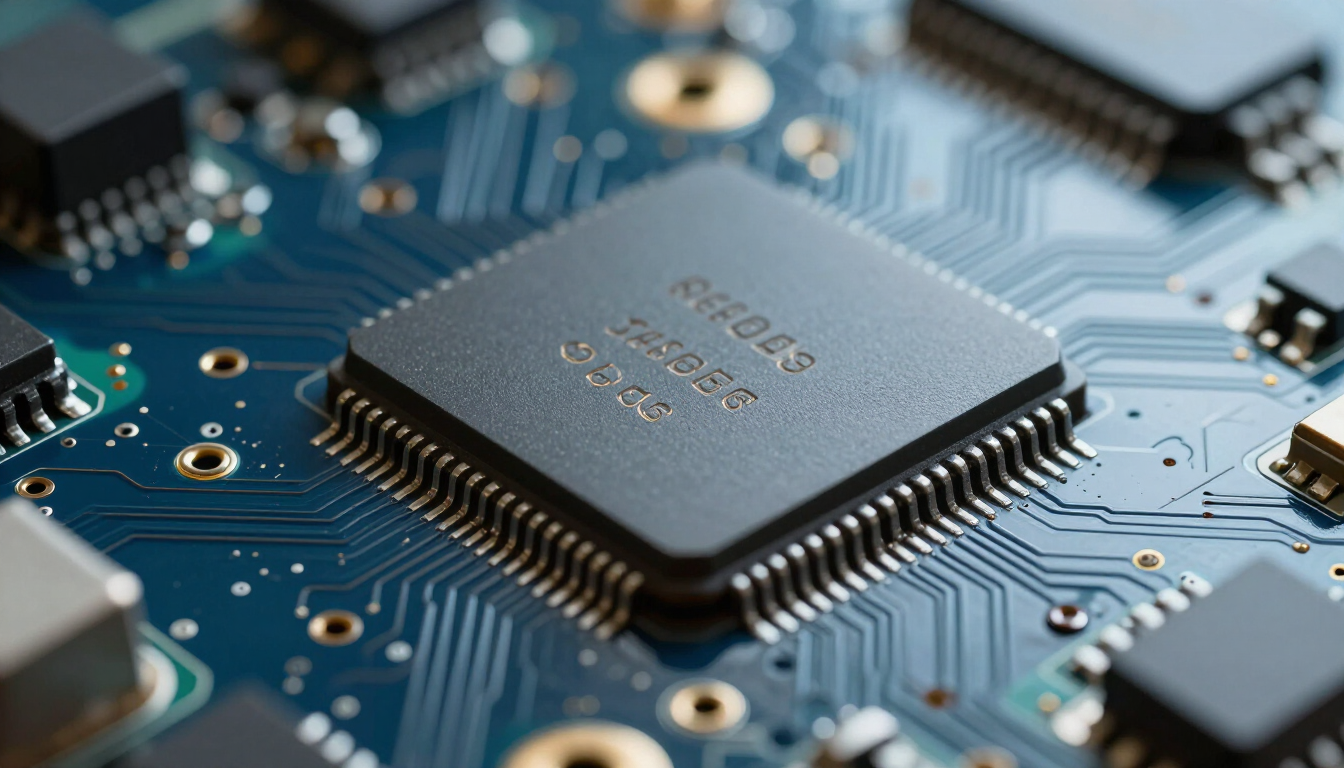
Close-up of electronic component date codes on a semiconductor.
July 14, 2026
Learn how to read electronic component date codes to ensure part authenticity, manage shelf life, and mitigate risks in your supply chain.
July 11, 2026
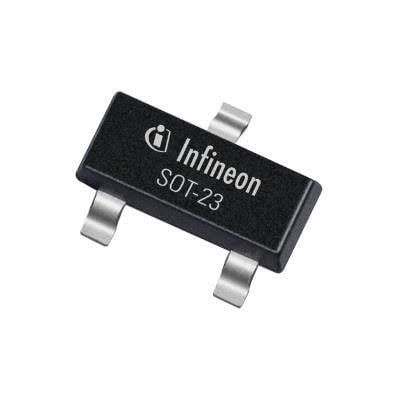
Electronic component procurement is about more than finding inventory—it's about managing risk, ensuring quality, and maintaining production continuity. When sourcing obsolete or difficult-to-find components such as the Infineon BFR193 E6327 , procurement professionals should also understand the importance of industry quality standards like AS6081 . If your organization supports legacy RF equipment or long-life electronic systems, this guide explains what the BFR193 E6327 is, where it is commonly used, and why AS6081 matters when sourcing discontinued electronic components. What Is the Infineon BFR193 E6327? The Infineon BFR193 E6327 is a high-linearity NPN silicon RF bipolar transistor designed for low-noise and broadband RF amplification. It is packaged in a compact SOT-23 surface-mount package and was intended for RF applications operating up to approximately 2 GHz . Infineon identifies the product as End of Life (EOL) , meaning it is no longer in active production. ( Infineon ) Key Specifications ParameterValueManufacturerInfineon TechnologiesPart NumberBFR193 E6327Device TypeNPN Silicon RF Bipolar TransistorPackageSOT-23Maximum Collector-Emitter Voltage (VCEO)12 V Maximum Collector Current 80 mA Transition Frequency (fT)8 GHz (typical)Minimum Noise Figure1 dB @ 900 MHzTypical ApplicationsRF amplifiers, broadband amplifiers, low-noise RF circuits The transistor was designed to provide excellent linearity and low noise, making it suitable for many wireless communication applications. ( Infineon ) Typical Applications Although the BFR193 is no longer manufactured, many legacy products continue using it. Typical applications include: RF preamplifiers Low-noise amplifiers (LNA) Broadband amplifiers Wireless communication equipment Industrial RF control systems Test and measurement equipment Signal conditioning circuits RF receiver front ends Telecommunications equipment Because many industrial and communications products remain in service for years after production ends, demand for discontinued RF transistors often continues long after manufacturers discontinue them. Product Lifecycle Status One of the first things procurement professionals should verify is the lifecycle status of a component. The Infineon BFR193 E6327 is officially classified as an End-of-Life (EOL) product. That means: New factory production has ended. Future availability depends on remaining inventory in the supply chain. Availability may become increasingly limited over time. Lead times and pricing can fluctuate significantly. ( Infineon ) For organizations supporting legacy products, this makes proactive sourcing especially important. Challenges of Sourcing End-of-Life RF Components Purchasing obsolete RF components presents unique challenges. Common issues include: Limited global inventory Increasing lead times Price volatility Counterfeit risk Inconsistent documentation Engineering redesign decisions Waiting until production inventory is exhausted often reduces available sourcing options. Why AS6081 Matters When purchasing obsolete or difficult-to-find electronic components, quality becomes just as important as availability. One widely recognized industry standard is SAE AS6081 . AS6081 establishes practices intended to reduce the risk of counterfeit electronic components entering the supply chain. The standard provides guidance for independent distributors and procurement organizations on supplier qualification, documentation, inspection, traceability, and risk management. While AS6081 does not certify individual components as "genuine," it outlines a disciplined framework for responsible sourcing. Key Elements of AS6081 Organizations that follow AS6081 principles typically emphasize: Supplier Qualification Evaluating supplier history, performance, and sourcing practices before purchasing components. Documentation Review Reviewing available documentation such as: Certificates of Conformance (when available) Lot identification Date codes Packaging information Shipping documentation Traceability Maintaining records that document the movement of components through the supply chain whenever possible. Risk Assessment Evaluating factors such as: Product lifecycle status Market availability Supplier history Pricing anomalies Component scarcity Inspection Procedures Inspection practices may include: Visual examination Packaging verification Marking inspection Dimensional verification Electrical testing, depending on organizational requirements These practices help organizations reduce procurement risk when sourcing obsolete components. Best Practices When Purchasing the BFR193 E6327 If your organization needs the Infineon BFR193 E6327, consider the following procurement steps: Verify the Complete Part Number Small suffix differences can indicate: Packaging variations Tape-and-reel configuration Compliance differences Always verify the full manufacturer's part number before placing an order. Confirm Lifecycle Status Review current manufacturer information and determine whether alternate devices are available. If production continues for your finished product, begin planning before inventory becomes scarce. Request Supporting Documentation When available, request documentation such as: Date code information Lot identification Packaging photographs Certificates of Conformance Traceability documentation Documentation supports internal procurement and quality procedures. Evaluate Alternate Components Engineering may determine that newer RF transistors provide equivalent or improved performance. When redesign is practical, alternate devices may improve long-term supply stability. Work with Experienced Sourcing Partners Obsolete RF components often require access to global supplier networks. Experienced sourcing specialists can help locate available inventory while supporting responsible procurement practices. Redesign or Continue Sourcing? Organizations supporting legacy equipment eventually face an important question: Should we continue sourcing obsolete inventory, or redesign the product? Factors to evaluate include: Remaining product life Customer support obligations Available inventory Engineering costs Regulatory requirements Long-term component availability For some products, purchasing remaining inventory is the most economical option. For others, redesigning around currently manufactured components may reduce future supply chain risk. How Odic MG Can Help Odic MG specializes in sourcing hard-to-find , obsolete , and End-of-Life electronic components for OEMs, contract manufacturers, industrial equipment manufacturers, and repair organizations. Whether you're searching for the Infineon BFR193 E6327 or another difficult-to-locate RF transistor, our team works with a global supplier network to help identify available inventory and respond quickly to urgent procurement requirements. We understand the importance of quality documentation, responsive communication, and disciplined sourcing practices when supporting legacy electronic products.

High-tech laboratory inspecting electronic components for authenticity.
July 1, 2026
Learn essential strategies for procurement professionals to identify and avoid counterfeit electronic components. Protect your supply chain with expert tips and testing protocols.

Modern electronics warehouse and supply chain management illustration
July 1, 2026
Struggling with supply chain delays? Learn how to reduce long lead times for electronic components with forecasting, local sourcing, and expert distribution strategies.

Digital representation of electronic components and supply chain risk management connectivity.
June 18, 2026
Master BOM risk management to avoid production delays. Learn strategies for sourcing hard-to-find components and managing obsolescence with Odic MG.

Close up of electronic microchip with quality seal icon representing AS6081 standard
May 19, 2026
Learn what AS6081 is and how it protects your supply chain from counterfeit electronic components. A comprehensive guide for sourcing professionals.