
How to Avoid Counterfeit Electronic Components in 2026

July 1, 2026

Share this article

To avoid counterfeit electronic components, procurement professionals must source exclusively from authorized distributors or vetted independent suppliers with rigorous quality management systems. This involves verifying certifications like AS6081, conducting multi-stage visual and electrical testing, and maintaining a transparent chain of custody to ensure component authenticity and reliability.

What are counterfeit electronic components?

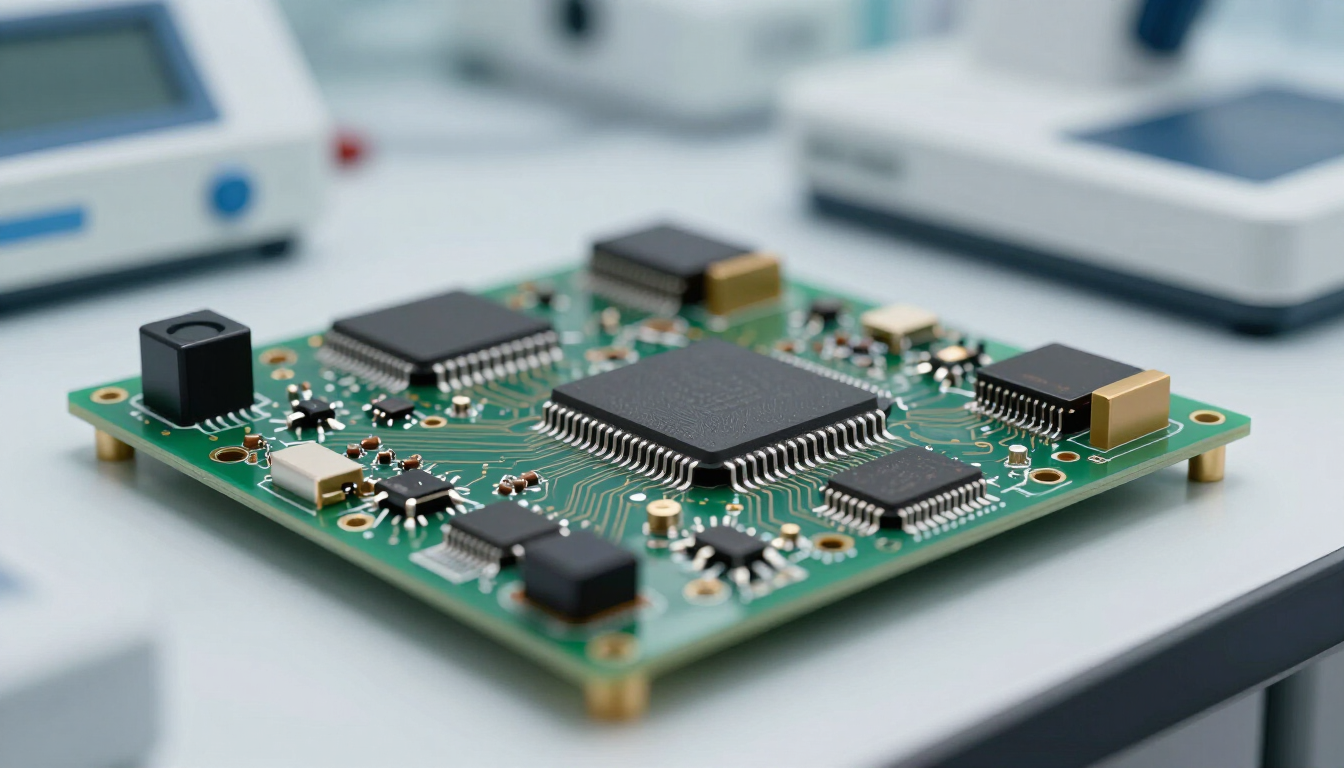
In the global supply chain, counterfeit electronic components are parts that have been misrepresented regarding their origin, performance, or age. These parts often enter the market through unauthorized channels, particularly when demand exceeds supply or when specific parts reach their end-of-life (EOL) status.

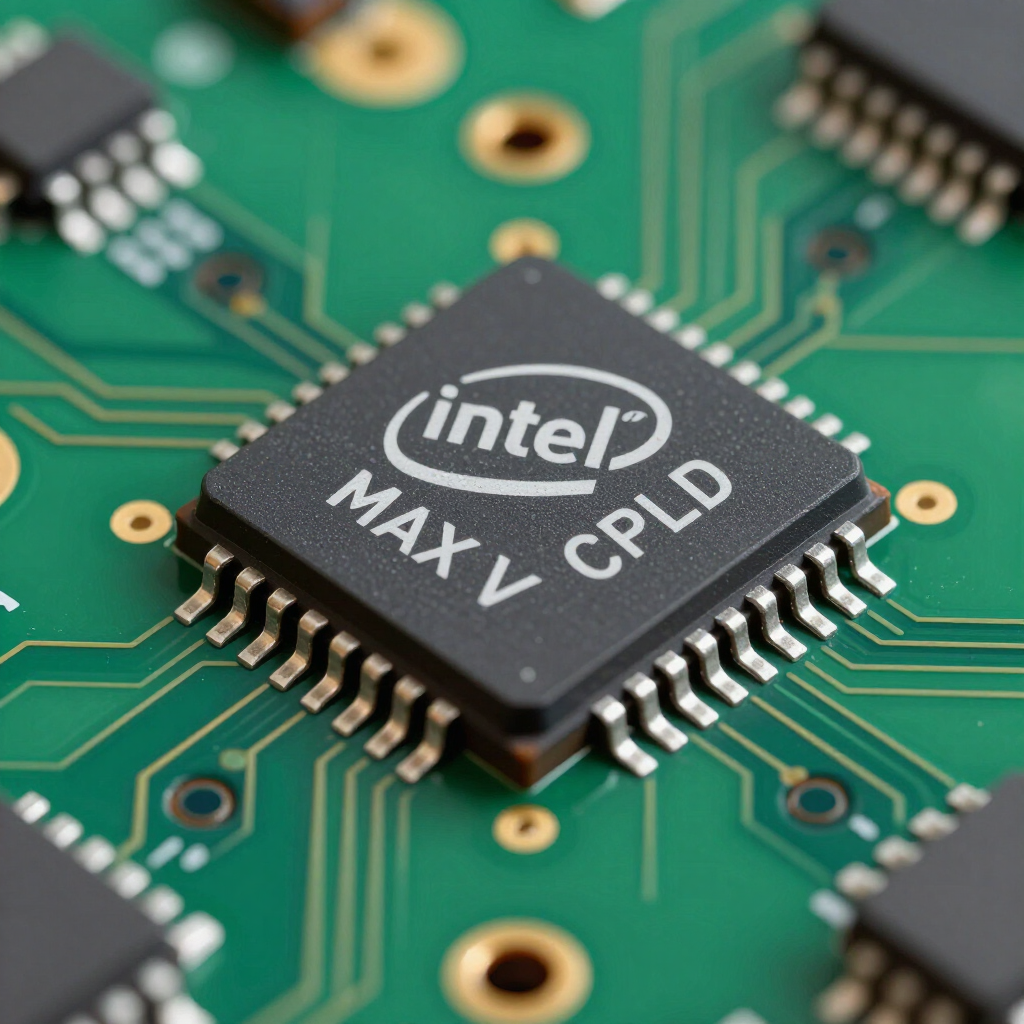
Counterfeits typically fall into several categories. Some are "black-topped" or remarked, where original markings are sanded off and replaced with high-end specifications to fetch a higher price. Others are salvaged parts—components pulled from electronic waste, refurbished to look new, and sold as factory-fresh. In more sophisticated cases, components may be complete clones manufactured in unlicensed facilities using inferior materials that do not meet the original manufacturer's standards.

For a procurement officer, the presence of these parts in a build is more than just a financial risk; it is a safety and reliability hazard. A single counterfeit capacitor or microcontroller can lead to catastrophic system failure, costly product recalls, and irreparable damage to a brand's reputation. Understanding how to avoid counterfeit electronic components starts with recognizing that these parts are designed to deceive the eye, making a robust verification process essential.

Quality Inspection

Why is the risk of counterfeits increasing today?

The electronics industry is currently navigating a perfect storm of supply chain volatility. Long lead times, geopolitical tensions, and rapid technological shifts have created an environment where buyers are often forced to look beyond their traditional Manufacturer Partners to fill gaps in production. When a critical component is out of stock for 52 weeks, the pressure to maintain production schedules can lead even the most seasoned procurement teams to take risks in the "gray market."

Furthermore, the proliferation of obsolete parts makes the market more vulnerable. As older systems remain in service—particularly in aerospace, defense, and medical sectors—the original manufacturers may stop production of necessary components. This creates a lucrative opportunity for counterfeiters to supply "new-old stock" that is actually fraudulent. Navigating our Line Card reveals the breadth of parts required in modern industry, highlighting just how many entry points a counterfeiter might attempt to exploit.

Risk mitigation strategies for procurement

Protecting your organization requires a proactive rather than reactive approach. To avoid counterfeit electronic components, procurement professionals should implement a tiered risk management strategy that prioritizes transparency and verification at every stage of the purchase order.

Here are five essential strategies to mitigate the risk of fraud:

  1. Strict Supplier Prequalification : Only work with distributors who hold industry-recognized certifications such as ISO 9001, AS9120, or AS6081. These standards ensure the supplier has a documented process for detecting and reporting counterfeit parts.
  2. Verify the Chain of Custody : Always request a Certificate of Conformance (CoC) that traces the part back to the original component manufacturer (OCM). If the chain is broken, the risk level increases significantly.
  3. Utilize Industry Databases : Subscribe to services like ERAI or GIDEP. These organizations track known counterfeit incidents and fraudulent suppliers, providing an early warning system for procurement teams.
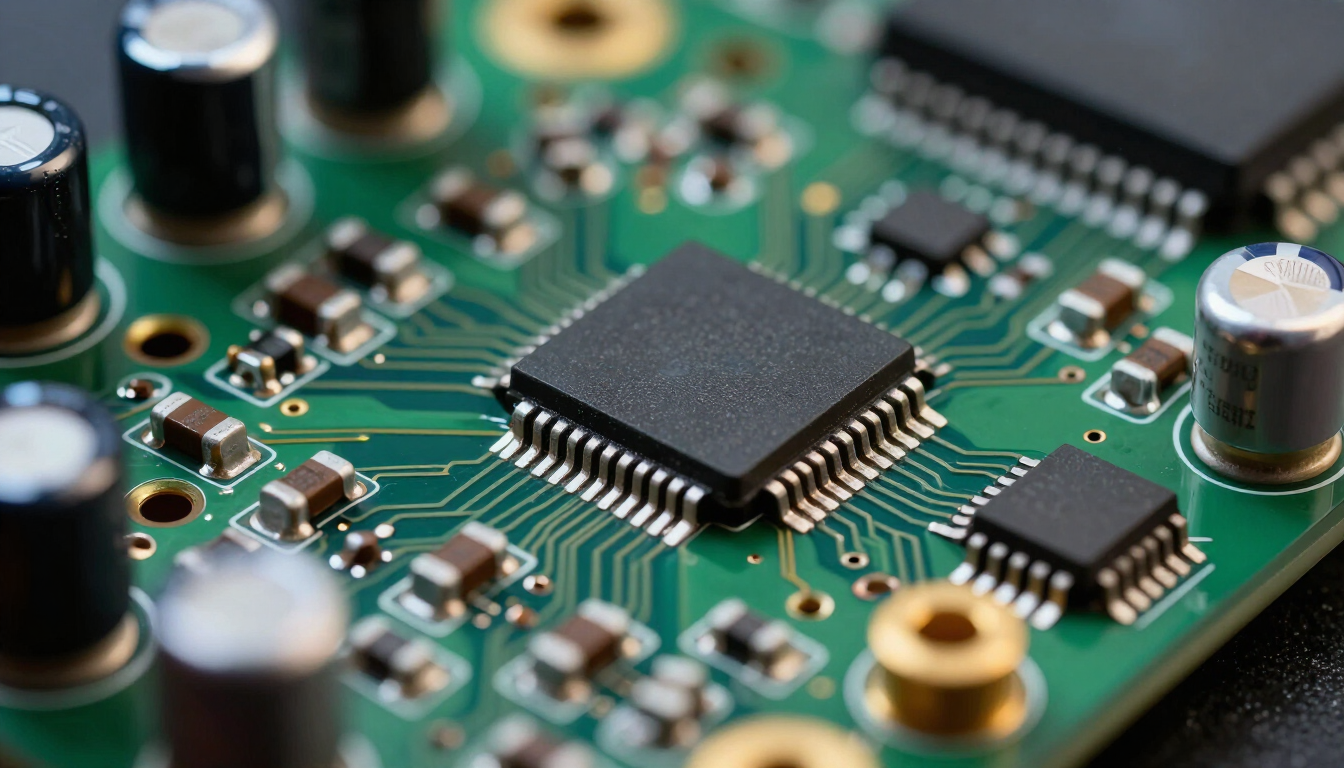
  4. Implement Visual Inspection Protocols : Even before laboratory testing, a high-resolution visual inspection can catch many counterfeits. Look for inconsistent date codes, poor marking quality, or evidence of previous soldering on leads.
  5. Avoid "Too Good to Be True" Offers : If a hard-to-find part is suddenly available at a deep discount from an unknown source, it is almost certainly a counterfeit. Market prices for obsolete parts reflect their scarcity.

How do you identify a fraudulent supplier?

Identifying a fraudulent supplier is your first line of defense. Most reputable electronic component distributors maintain physical offices, warehouses, and a verifiable history of trade. When evaluating a new source, look for specific red flags that indicate a lack of legitimacy.

Does the supplier have a professional website with a physical address that can be verified via satellite imagery? Fraudulent entities often use residential addresses or virtual offices. Furthermore, check their email domain; legitimate companies rarely use free email services like Gmail or Yahoo for business transactions.

Another indicator is the supplier's willingness to provide testing reports. A legitimate distributor like Odic MG offers Specialties in sourcing and testing, including free testing on request for certain orders. If a supplier balks at the mention of third-party lab testing or refuses to provide high-resolution photos of the actual stock, they are likely hiding the true nature of their inventory. Always perform due diligence by checking Electronic Component part numbers against known manufacturer formats to ensure the numbering logic holds up.

Procurement Strategy

The role of testing and visual inspection

While documentation is vital, the most reliable way to avoid counterfeit electronic components is through physical and electrical testing. Sophisticated counterfeits can bypass simple visual checks, requiring more advanced diagnostic tools to uncover their secrets. For high-reliability applications, a multi-stage testing protocol is non-negotiable.

Testing typically begins with External Visual Inspection (EVI) under high-power magnification. Inspectors look for "ghost markings," sanding marks, and lead finish irregularities. Following this, X-ray inspection can reveal the internal structure of the component, such as the die size and wire bond patterns, which should match the manufacturer’s known-good samples.

For deeper verification, Decapsulation (Decap) involves removing the outer casing of the chip to inspect the silicon die itself. The die often bears the manufacturer's logo and part number, which is nearly impossible for counterfeiters to forge accurately. Finally, Electrical Testing ensures the part functions within the specified parameters. By combining these methods, a distributor can guarantee that the parts you receive are authentic and ready for your assembly line.

Where can I source reliable obsolete parts?

Sourcing obsolete or long-lead-time parts is the most dangerous phase of procurement. This is where the risk of encountering counterfeit electronic components is highest. To stay safe, you need a partner who specializes in the independent market but adheres to the quality standards of an authorized channel.

Odic MG specializes in sourcing hard-to-find and obsolete parts while maintaining a zero-tolerance policy for counterfeits. By leveraging partnerships with major manufacturers and employing rigorous testing standards, we bridge the gap between availability and authenticity. If you are struggling to find a specific component and want to ensure you aren't falling for a scam, the best step is to work with an expert who understands the technical nuances of component verification.

Key Takeaways for Procurement Success:

  • Prioritize Certified Sources : Always default to suppliers with AS6081 or similar quality certifications.
  • Mandate Traceability : Never accept parts without a clear line of sight to the Original Component Manufacturer.
  • Invest in Testing : When buying from the open market, always require visual and/or electrical testing reports.
  • Stay Informed : Monitor industry alerts to know which parts are currently being targeted by counterfeiters.

If you need immediate assistance in sourcing authenticated parts or require a quote for a difficult-to-find component, please Request a Quote today. Our team is ready to help you secure your supply chain and protect your production from the risks of fraudulent components.

Summary

To effectively avoid counterfeit electronic components, procurement professionals must move beyond price-driven decision-making and adopt a quality-centric framework. By vetting suppliers rigorously, demanding full traceability, and utilizing advanced testing methods, you can mitigate the substantial risks associated with the gray market. Remember, the cost of a counterfeit part is never just the purchase price—it’s the cost of the failure it inevitably causes. Evaluate your current suppliers, implement these safeguards, and choose partners who prioritize transparency above all else.

Recent Posts

Intel 5M240ZT100C4N CPLD chip on a circuit board
July 17, 2026
Learn 5 ways to utilize the Intel 5M240ZT100C4N CPLD for low-power applications. Contact us for sourcing electronic components.
Xilinx XCZU4EV-2SFVC784I Electronic Component on PCB
July 14, 2026
Learn about the XCZU4EV-2SFVC784I's features for video processing & automation. Contact us for sourcing electronic components.
Close-up of electronic component date codes on a semiconductor.
July 14, 2026
Learn how to read electronic component date codes to ensure part authenticity, manage shelf life, and mitigate risks in your supply chain.
July 11, 2026
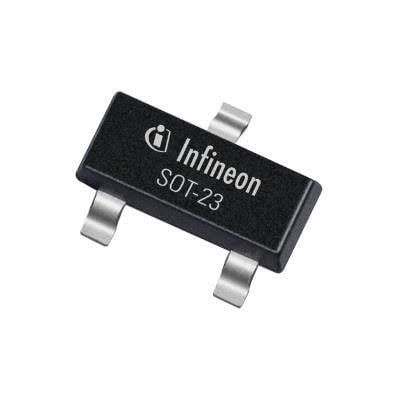
Electronic component procurement is about more than finding inventory—it's about managing risk, ensuring quality, and maintaining production continuity. When sourcing obsolete or difficult-to-find components such as the Infineon BFR193 E6327 , procurement professionals should also understand the importance of industry quality standards like AS6081 . If your organization supports legacy RF equipment or long-life electronic systems, this guide explains what the BFR193 E6327 is, where it is commonly used, and why AS6081 matters when sourcing discontinued electronic components. What Is the Infineon BFR193 E6327? The Infineon BFR193 E6327 is a high-linearity NPN silicon RF bipolar transistor designed for low-noise and broadband RF amplification. It is packaged in a compact SOT-23 surface-mount package and was intended for RF applications operating up to approximately 2 GHz . Infineon identifies the product as End of Life (EOL) , meaning it is no longer in active production. ( Infineon ) Key Specifications ParameterValueManufacturerInfineon TechnologiesPart NumberBFR193 E6327Device TypeNPN Silicon RF Bipolar TransistorPackageSOT-23Maximum Collector-Emitter Voltage (VCEO)12 V Maximum Collector Current 80 mA Transition Frequency (fT)8 GHz (typical)Minimum Noise Figure1 dB @ 900 MHzTypical ApplicationsRF amplifiers, broadband amplifiers, low-noise RF circuits The transistor was designed to provide excellent linearity and low noise, making it suitable for many wireless communication applications. ( Infineon ) Typical Applications Although the BFR193 is no longer manufactured, many legacy products continue using it. Typical applications include: RF preamplifiers Low-noise amplifiers (LNA) Broadband amplifiers Wireless communication equipment Industrial RF control systems Test and measurement equipment Signal conditioning circuits RF receiver front ends Telecommunications equipment Because many industrial and communications products remain in service for years after production ends, demand for discontinued RF transistors often continues long after manufacturers discontinue them. Product Lifecycle Status One of the first things procurement professionals should verify is the lifecycle status of a component. The Infineon BFR193 E6327 is officially classified as an End-of-Life (EOL) product. That means: New factory production has ended. Future availability depends on remaining inventory in the supply chain. Availability may become increasingly limited over time. Lead times and pricing can fluctuate significantly. ( Infineon ) For organizations supporting legacy products, this makes proactive sourcing especially important. Challenges of Sourcing End-of-Life RF Components Purchasing obsolete RF components presents unique challenges. Common issues include: Limited global inventory Increasing lead times Price volatility Counterfeit risk Inconsistent documentation Engineering redesign decisions Waiting until production inventory is exhausted often reduces available sourcing options. Why AS6081 Matters When purchasing obsolete or difficult-to-find electronic components, quality becomes just as important as availability. One widely recognized industry standard is SAE AS6081 . AS6081 establishes practices intended to reduce the risk of counterfeit electronic components entering the supply chain. The standard provides guidance for independent distributors and procurement organizations on supplier qualification, documentation, inspection, traceability, and risk management. While AS6081 does not certify individual components as "genuine," it outlines a disciplined framework for responsible sourcing. Key Elements of AS6081 Organizations that follow AS6081 principles typically emphasize: Supplier Qualification Evaluating supplier history, performance, and sourcing practices before purchasing components. Documentation Review Reviewing available documentation such as: Certificates of Conformance (when available) Lot identification Date codes Packaging information Shipping documentation Traceability Maintaining records that document the movement of components through the supply chain whenever possible. Risk Assessment Evaluating factors such as: Product lifecycle status Market availability Supplier history Pricing anomalies Component scarcity Inspection Procedures Inspection practices may include: Visual examination Packaging verification Marking inspection Dimensional verification Electrical testing, depending on organizational requirements These practices help organizations reduce procurement risk when sourcing obsolete components. Best Practices When Purchasing the BFR193 E6327 If your organization needs the Infineon BFR193 E6327, consider the following procurement steps: Verify the Complete Part Number Small suffix differences can indicate: Packaging variations Tape-and-reel configuration Compliance differences Always verify the full manufacturer's part number before placing an order. Confirm Lifecycle Status Review current manufacturer information and determine whether alternate devices are available. If production continues for your finished product, begin planning before inventory becomes scarce. Request Supporting Documentation When available, request documentation such as: Date code information Lot identification Packaging photographs Certificates of Conformance Traceability documentation Documentation supports internal procurement and quality procedures. Evaluate Alternate Components Engineering may determine that newer RF transistors provide equivalent or improved performance. When redesign is practical, alternate devices may improve long-term supply stability. Work with Experienced Sourcing Partners Obsolete RF components often require access to global supplier networks. Experienced sourcing specialists can help locate available inventory while supporting responsible procurement practices. Redesign or Continue Sourcing? Organizations supporting legacy equipment eventually face an important question: Should we continue sourcing obsolete inventory, or redesign the product? Factors to evaluate include: Remaining product life Customer support obligations Available inventory Engineering costs Regulatory requirements Long-term component availability For some products, purchasing remaining inventory is the most economical option. For others, redesigning around currently manufactured components may reduce future supply chain risk. How Odic MG Can Help Odic MG specializes in sourcing hard-to-find , obsolete , and End-of-Life electronic components for OEMs, contract manufacturers, industrial equipment manufacturers, and repair organizations. Whether you're searching for the Infineon BFR193 E6327 or another difficult-to-locate RF transistor, our team works with a global supplier network to help identify available inventory and respond quickly to urgent procurement requirements. We understand the importance of quality documentation, responsive communication, and disciplined sourcing practices when supporting legacy electronic products.

Modern electronics warehouse and supply chain management illustration
July 1, 2026
Struggling with supply chain delays? Learn how to reduce long lead times for electronic components with forecasting, local sourcing, and expert distribution strategies.

Digital representation of electronic components and supply chain risk management connectivity.
June 18, 2026
Master BOM risk management to avoid production delays. Learn strategies for sourcing hard-to-find components and managing obsolescence with Odic MG.

Aisle of stocked store shelves with colorful boxes and packaged goods in a bright warehouse-style interior
June 8, 2026
Understand responsible sourcing of electronic components. Ensure quality & reliability. Contact us for expert guidance!

Close up of electronic microchip with quality seal icon representing AS6081 standard
May 19, 2026
Learn what AS6081 is and how it protects your supply chain from counterfeit electronic components. A comprehensive guide for sourcing professionals.