

Micron MTFDDAK7T6TGA-1BC1ZABYY: 5400 PRO SSD Guide

August 27, 2026

Share this article

The Micron MTFDDAK7T6TGA-1BC1ZABYY is a high-capacity 7.68TB 5400 PRO enterprise SATA SSD. It is optimized for read-intensive data center workloads, offering a reliable 2.5-inch form factor that delivers consistent performance, security, and endurance for server storage upgrades, content delivery networks, and large-scale virtualization environments.

What is the Micron MTFDDAK7T6TGA-1BC1ZABYY?

When we talk about enterprise-grade storage, the name Micron often sits at the top of the list. The Micron MTFDDAK7T6TGA-1BC1ZABYY belongs to the acclaimed 5400 PRO series, which represents the pinnacle of SATA SSD technology. While the world is moving toward NVMe, a massive portion of the global server infrastructure still relies on the SATA interface. This specific model is a 7.68TB powerhouse designed to breathe new life into existing server racks without requiring a total hardware overhaul.

As an electronic component distributor, we often see buyers looking for this specific part number because it balances capacity with long-term reliability. It’s not just a drive; it’s a commitment to uptime. The MTFDDAK7T6TGA-1BC1ZABYY uses 176-layer 3D TLC NAND technology, which allows it to pack nearly 8 terabytes of data into a standard 7mm, 2.5-inch drive. This makes it a go-to for data centers that need to maximize storage density without increasing their physical footprint.

Working with Manufacturer Partners like Micron ensures that these components meet strict industrial standards. Whether you are building a new content delivery network (CDN) or managing a vast database that experiences heavy read traffic, understanding the nuances of this part number is essential for your procurement strategy. It’s built for the "read-intensive" category, meaning it excels at serving data quickly and consistently over years of operation.

Core Specifications of the 5400 PRO Series

To understand why this drive is a staple in the industry, we have to look under the hood. The 5400 PRO series was engineered to provide the best possible performance that the SATA interface can handle. Since the SATA III bus is limited to 6Gb/s, Micron focused on consistency and latency rather than just raw burst speeds. Here is what makes the MTFDDAK7T6TGA-1BC1ZABYY stand out:

  • Interface: SATA 6 Gb/s (backward compatible with 3 Gb/s and 1.5 Gb/s).
  • Capacity: 7.68TB, providing massive scale for high-density servers.
  • Form Factor: 2.5-inch (7mm), compatible with almost all standard server drive bays.
  • NAND Type: Micron 176-layer 3D TLC NAND for improved efficiency.
  • Endurance: 1.5 drive writes per day (DWPD) for 5 years, ideal for read-heavy apps.
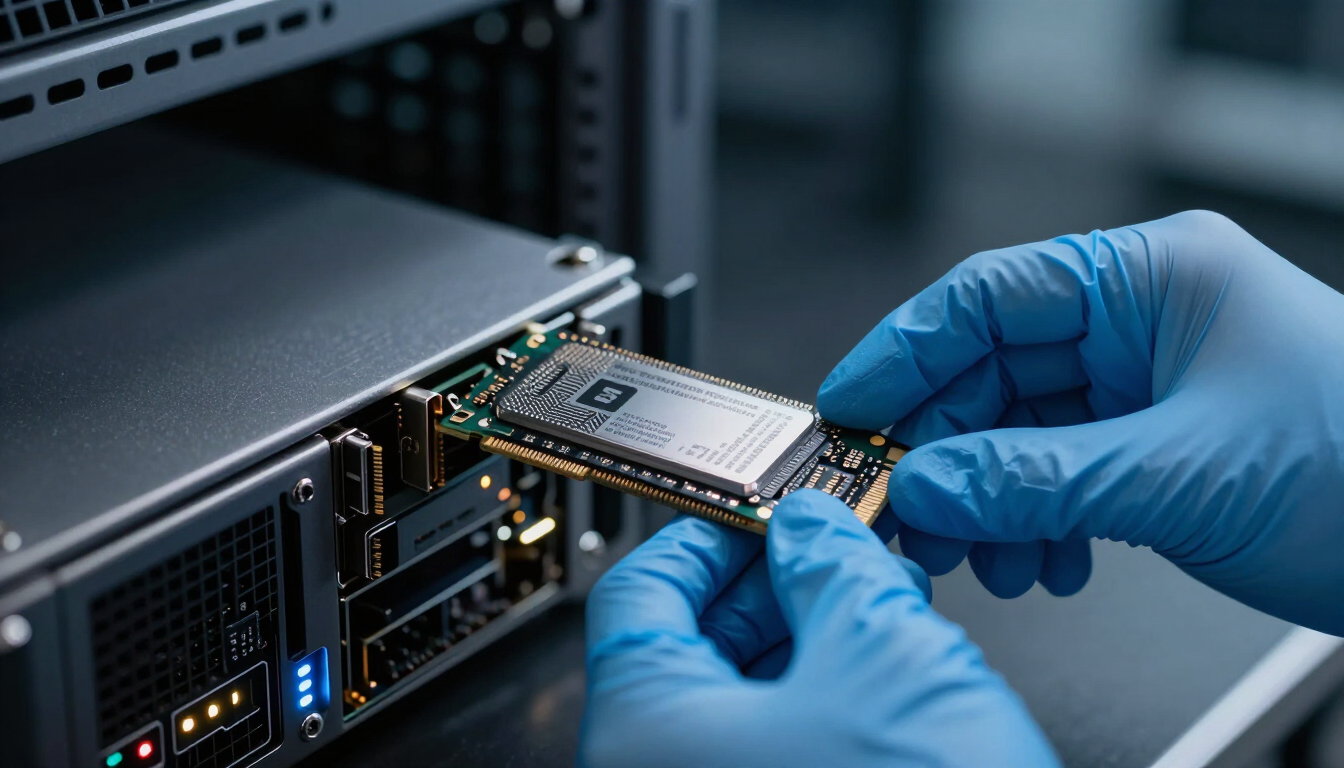
Data Center Server Rack

These specs tell a story of a drive that isn't trying to be the fastest in a sprint, but rather the most reliable marathon runner. In a professional setting, unpredictable latency is the enemy. The 5400 PRO series is known for its predictable performance profile, which helps IT managers maintain their Service Level Agreements (SLAs). If you are looking for other specific Electronic Component part numbers , you will find that few match the blend of capacity and stability offered here.

Why is the Micron 5400 PRO Preferred Over Older SATA Drives?

If you are currently managing older hardware, you might wonder if it’s worth sticking with the SATA interface or if you should jump to NVMe. While NVMe is faster, the cost of replacing backplanes, controllers, and motherboards is significant. The Micron MTFDDAK7T6TGA-1BC1ZABYY allows you to upgrade your storage capacity to 7.68TB while using your existing infrastructure. This "drop-in" replacement capability is a major financial advantage for many of our clients.

Furthermore, the 5400 PRO series offers a significant jump in reliability over older generations like the 5100 or 5200 series. Micron has refined the firmware to include advanced error correction and power loss protection. In the event of an unexpected power outage, the drive has enough internal capacitance to ensure that data in flight is safely committed to the NAND. This level of data integrity is non-negotiable in enterprise environments where a single corrupted sector can lead to hours of downtime.

Here are some of the key reasons buyers choose this model over generic alternatives:

  • Enterprise Features: Full end-to-end data path protection and power-loss defense.
  • Stability: A proven architecture that minimizes the risk of drive failure.
  • Predictability: Consistent IOPS that don't drop off during heavy load periods.
  • Security: TCG Opal 2.0 and AES 256-bit encryption for sensitive data.
  • Legacy Support: The easiest path to upgrading legacy servers to modern capacities.

Performance Analysis in Read-Intensive Environments

The Micron MTFDDAK7T6TGA-1BC1ZABYY is categorized as a "PRO" drive, which in Micron’s taxonomy denotes a focus on read-intensive workloads. But what does that look like in practice? In a typical test case, we look at scenarios like video streaming, web serving, and boot drives. These are tasks where the drive spends 90% of its time providing data to the system and only 10% of its time writing new information.

In these environments, the 7.68TB capacity becomes a massive asset. Large datasets that used to require four or five separate 2TB drives can now fit onto a single MTFDDAK7T6TGA-1BC1ZABYY. This consolidation reduces power consumption, heat generation, and the number of points of failure in the system. When we evaluate our Specialties in sourcing, we often highlight how high-density drives like this one provide a superior return on investment (ROI) over the lifespan of a server.

SSD Insertion into Server

Specifically, the sequential read speeds hover around 540 MB/s, while random read IOPS can reach up to 95,000. For a SATA drive, these numbers are hitting the theoretical limits of the interface. This ensures that even under heavy user load, the system remains responsive. If you are comparing this to older mechanical hard drives, the difference is night and day; you are looking at a 100x improvement in random access speeds.

Can You Use the MTFDDAK7T6TGA-1BC1ZABYY for Virtualization?

Virtualization is one of the most common test cases for high-capacity SATA SSDs. When you run multiple virtual machines (VMs) on a single physical host, the storage subsystem becomes a bottleneck. Each VM is competing for I/O operations. The Micron MTFDDAK7T6TGA-1BC1ZABYY handles this admirably because of its high random read performance and its ability to manage multiple concurrent data streams.

In a virtualization test case, we typically look for how the drive handles "noisy neighbors"—one VM performing a heavy task that might slow down others. The 5400 PRO's firmware is designed to prioritize fair access to the NAND, ensuring that one workload doesn't starve the others of performance. This makes it an excellent choice for VDI (Virtual Desktop Infrastructure) deployments where dozens of users are accessing their desktops simultaneously.

Consider these benefits for virtualized environments:

  • Boot Storm Handling: Quickly boots dozens of VMs simultaneously without lag.
  • Snapshot Efficiency: Handles VM snapshots and clones faster than mechanical disks.
  • High Density: Supports more VMs per rack unit due to the 7.68TB capacity.
  • Low Latency: Reduces the 'laggy' feeling users might experience in virtual desktops.
  • Simplified Management: Fewer physical drives to monitor and maintain.

Understanding Sourcing Challenges for Obsolete Components

One of the biggest hurdles for buyers today isn't just picking the right part; it's finding it. The electronics industry is notorious for long lead times and sudden obsolescence. Even a popular drive like the Micron MTFDDAK7T6TGA-1BC1ZABYY can occasionally become hard to find due to shifts in manufacturing priorities or supply chain disruptions. This is where a specialized distributor becomes a critical partner.

At Odic MG, we specialize in sourcing hard-to-find, long-lead-time, and even obsolete parts. We understand that if your server goes down and you need this specific 7.68TB Micron drive to match your existing RAID array, you can’t wait six months for a factory order. We leverage our global network to find stock that isn't available through traditional retail channels. You can learn more about how we operate on our About page.

We also provide free testing on request to ensure that the parts you receive—especially those sourced from the open market—meet the original manufacturer's specifications. When dealing with enterprise data, there is no room for error. Whether you are looking for this specific SSD or browsing our full Line Card , our goal is to ensure your supply chain remains resilient against market fluctuations.

How Do I Request a Quote for Hard-to-Find Micron Parts?

If you have determined that the Micron MTFDDAK7T6TGA-1BC1ZABYY is the right fit for your project, the next step is securing the inventory. Because pricing and availability in the enterprise storage market can change daily, we recommend reaching out for a real-time quote. Our team can provide insights into current market trends and help you plan your procurement to avoid future shortages.

Getting a quote is straightforward. You can visit our Request a Quote page and provide the part number and desired quantity. Our experts will get back to you with a competitive price and an estimated delivery timeline. We also assist with identifying suitable alternatives if a specific part is completely unavailable, ensuring your project stays on track regardless of supply chain hurdles.

Core Takeaways for the Micron MTFDDAK7T6TGA-1BC1ZABYY

To wrap things up, the Micron MTFDDAK7T6TGA-1BC1ZABYY is a premier choice for enterprise storage for several reasons. It offers a massive 7.68TB capacity in a traditional SATA form factor, making it the ultimate upgrade path for existing servers. Its focus on read-intensive performance ensures stability for web serving, virtualization, and CDNs.

  • Reliability: Built-in power loss protection and 176-layer NAND technology.
  • Performance: Maximum SATA III throughput with consistent, low latency.
  • Efficiency: Consolidates storage to reduce power and space requirements.
  • Availability: Sourcing through specialized distributors like Odic MG ensures you get the parts you need, even during shortages.

If your goal is to maximize the life and performance of your current server infrastructure, this Micron 5400 PRO SSD is one of the most cost-effective and reliable investments you can make.

Recent Posts

Medical electronics and circuit boards on a laboratory table
August 10, 2026
Learn how to choose reliable suppliers for medical device components. Ensure safety & compliance in healthcare technology.
Intel 5M240ZT100C4N CPLD chip on a circuit board
July 17, 2026
Learn 5 ways to utilize the Intel 5M240ZT100C4N CPLD for low-power applications. Contact us for sourcing electronic components.
Xilinx XCZU4EV-2SFVC784I Electronic Component on PCB
July 14, 2026
Learn about the XCZU4EV-2SFVC784I's features for video processing & automation. Contact us for sourcing electronic components.
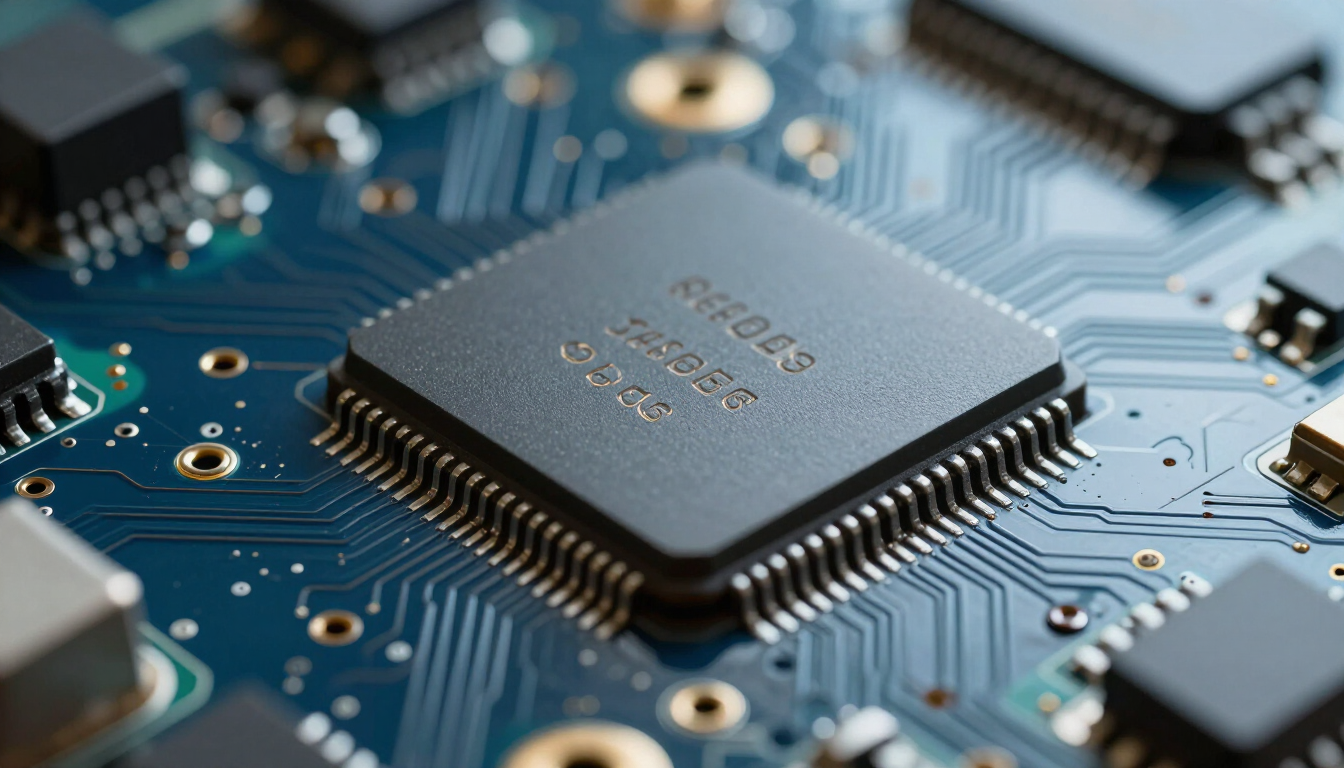
Close-up of electronic component date codes on a semiconductor.
July 14, 2026
Learn how to read electronic component date codes to ensure part authenticity, manage shelf life, and mitigate risks in your supply chain.
July 11, 2026
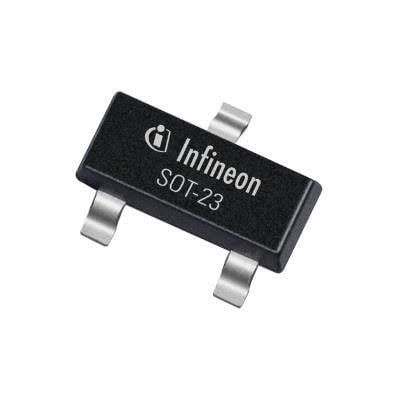
Electronic component procurement is about more than finding inventory—it's about managing risk, ensuring quality, and maintaining production continuity. When sourcing obsolete or difficult-to-find components such as the Infineon BFR193 E6327 , procurement professionals should also understand the importance of industry quality standards like AS6081 . If your organization supports legacy RF equipment or long-life electronic systems, this guide explains what the BFR193 E6327 is, where it is commonly used, and why AS6081 matters when sourcing discontinued electronic components. What Is the Infineon BFR193 E6327? The Infineon BFR193 E6327 is a high-linearity NPN silicon RF bipolar transistor designed for low-noise and broadband RF amplification. It is packaged in a compact SOT-23 surface-mount package and was intended for RF applications operating up to approximately 2 GHz . Infineon identifies the product as End of Life (EOL) , meaning it is no longer in active production. ( Infineon ) Key Specifications ParameterValueManufacturerInfineon TechnologiesPart NumberBFR193 E6327Device TypeNPN Silicon RF Bipolar TransistorPackageSOT-23Maximum Collector-Emitter Voltage (VCEO)12 V Maximum Collector Current 80 mA Transition Frequency (fT)8 GHz (typical)Minimum Noise Figure1 dB @ 900 MHzTypical ApplicationsRF amplifiers, broadband amplifiers, low-noise RF circuits The transistor was designed to provide excellent linearity and low noise, making it suitable for many wireless communication applications. ( Infineon ) Typical Applications Although the BFR193 is no longer manufactured, many legacy products continue using it. Typical applications include: RF preamplifiers Low-noise amplifiers (LNA) Broadband amplifiers Wireless communication equipment Industrial RF control systems Test and measurement equipment Signal conditioning circuits RF receiver front ends Telecommunications equipment Because many industrial and communications products remain in service for years after production ends, demand for discontinued RF transistors often continues long after manufacturers discontinue them. Product Lifecycle Status One of the first things procurement professionals should verify is the lifecycle status of a component. The Infineon BFR193 E6327 is officially classified as an End-of-Life (EOL) product. That means: New factory production has ended. Future availability depends on remaining inventory in the supply chain. Availability may become increasingly limited over time. Lead times and pricing can fluctuate significantly. ( Infineon ) For organizations supporting legacy products, this makes proactive sourcing especially important. Challenges of Sourcing End-of-Life RF Components Purchasing obsolete RF components presents unique challenges. Common issues include: Limited global inventory Increasing lead times Price volatility Counterfeit risk Inconsistent documentation Engineering redesign decisions Waiting until production inventory is exhausted often reduces available sourcing options. Why AS6081 Matters When purchasing obsolete or difficult-to-find electronic components, quality becomes just as important as availability. One widely recognized industry standard is SAE AS6081 . AS6081 establishes practices intended to reduce the risk of counterfeit electronic components entering the supply chain. The standard provides guidance for independent distributors and procurement organizations on supplier qualification, documentation, inspection, traceability, and risk management. While AS6081 does not certify individual components as "genuine," it outlines a disciplined framework for responsible sourcing. Key Elements of AS6081 Organizations that follow AS6081 principles typically emphasize: Supplier Qualification Evaluating supplier history, performance, and sourcing practices before purchasing components. Documentation Review Reviewing available documentation such as: Certificates of Conformance (when available) Lot identification Date codes Packaging information Shipping documentation Traceability Maintaining records that document the movement of components through the supply chain whenever possible. Risk Assessment Evaluating factors such as: Product lifecycle status Market availability Supplier history Pricing anomalies Component scarcity Inspection Procedures Inspection practices may include: Visual examination Packaging verification Marking inspection Dimensional verification Electrical testing, depending on organizational requirements These practices help organizations reduce procurement risk when sourcing obsolete components. Best Practices When Purchasing the BFR193 E6327 If your organization needs the Infineon BFR193 E6327, consider the following procurement steps: Verify the Complete Part Number Small suffix differences can indicate: Packaging variations Tape-and-reel configuration Compliance differences Always verify the full manufacturer's part number before placing an order. Confirm Lifecycle Status Review current manufacturer information and determine whether alternate devices are available. If production continues for your finished product, begin planning before inventory becomes scarce. Request Supporting Documentation When available, request documentation such as: Date code information Lot identification Packaging photographs Certificates of Conformance Traceability documentation Documentation supports internal procurement and quality procedures. Evaluate Alternate Components Engineering may determine that newer RF transistors provide equivalent or improved performance. When redesign is practical, alternate devices may improve long-term supply stability. Work with Experienced Sourcing Partners Obsolete RF components often require access to global supplier networks. Experienced sourcing specialists can help locate available inventory while supporting responsible procurement practices. Redesign or Continue Sourcing? Organizations supporting legacy equipment eventually face an important question: Should we continue sourcing obsolete inventory, or redesign the product? Factors to evaluate include: Remaining product life Customer support obligations Available inventory Engineering costs Regulatory requirements Long-term component availability For some products, purchasing remaining inventory is the most economical option. For others, redesigning around currently manufactured components may reduce future supply chain risk. How Odic MG Can Help Odic MG specializes in sourcing hard-to-find , obsolete , and End-of-Life electronic components for OEMs, contract manufacturers, industrial equipment manufacturers, and repair organizations. Whether you're searching for the Infineon BFR193 E6327 or another difficult-to-locate RF transistor, our team works with a global supplier network to help identify available inventory and respond quickly to urgent procurement requirements. We understand the importance of quality documentation, responsive communication, and disciplined sourcing practices when supporting legacy electronic products.

High-tech laboratory inspecting electronic components for authenticity.
July 1, 2026
Learn essential strategies for procurement professionals to identify and avoid counterfeit electronic components. Protect your supply chain with expert tips and testing protocols.

Modern electronics warehouse and supply chain management illustration
July 1, 2026
Struggling with supply chain delays? Learn how to reduce long lead times for electronic components with forecasting, local sourcing, and expert distribution strategies.

Digital representation of electronic components and supply chain risk management connectivity.
June 18, 2026
Master BOM risk management to avoid production delays. Learn strategies for sourcing hard-to-find components and managing obsolescence with Odic MG.

Aisle of stocked store shelves with colorful boxes and packaged goods in a bright warehouse-style interior
June 8, 2026
Understand responsible sourcing of electronic components. Ensure quality & reliability. Contact us for expert guidance!

Close up of electronic microchip with quality seal icon representing AS6081 standard
May 19, 2026
Learn what AS6081 is and how it protects your supply chain from counterfeit electronic components. A comprehensive guide for sourcing professionals.