


5 Ways to Reduce Long Lead Times for Electronic Components in 2026

July 1, 2026

Share this article

To reduce long lead times for electronic components, implement accurate demand forecasting, establish partnerships with independent distributors, and maintain a safety stock of critical parts. Diversifying your supplier base and considering drop-in replacements for obsolete or high-demand components can further streamline procurement and mitigate production delays.

Why are lead times for electronic components so long?

The global electronics industry is currently navigating a complex landscape of supply chain volatility. Several factors contribute to the extended lead times that frustrate buyers and production managers alike. First, the rapid advancement of technology in sectors like automotive electric vehicles (EVs) and artificial intelligence (AI) has created a massive surge in demand for specialized semiconductors and passive components. Manufacturing capacity, while expanding, often struggles to keep pace with these exponential growth curves.

Geopolitical tensions and regional trade policies also play a significant role. When trade routes are disrupted or export restrictions are placed on raw materials like silicon or rare earth metals, the entire production timeline shifts backward. Furthermore, the legacy of the "bullwhip effect"—where small fluctuations in consumer demand cause massive ripples in manufacturing orders—continues to haunt warehouse inventories.

Logistics also remain a bottleneck. Port congestion, shipping container shortages, and fluctuating fuel costs mean that even once a part is manufactured, getting it to your facility can take weeks longer than it did a decade ago. Understanding these macro-economic pressures is the first step toward building a more resilient procurement strategy that doesn't rely on luck.

Modern Electronics Warehouse

Strategies for better supply chain management

Effective supply chain management requires moving away from reactive purchasing and toward a strategic, proactive model. The most successful firms are those that treat their supply chain as a competitive advantage rather than just a cost center. This involves a deep dive into your Bill of Materials (BOM) to identify high-risk components long before the assembly line stops.

One of the most effective methods is to perform a lifecycle analysis on every part in your design. If a component is nearing its End-of-Life (EOL) or is classified as Not Recommended for New Designs (NRND), you are inviting long lead times and potential obsolescence issues. By identifying these risks early, you can design in alternatives or secure long-term stock through a reliable partner.

To improve your procurement efficiency, consider these core tactics:

  • Consolidate your vendor list to increase leverage
  • Use software to track real-time inventory levels
  • Implement a multi-source strategy for critical parts
  • Audit your suppliers' financial health regularly
  • Establish clear communication channels for delay alerts

By focusing on these areas, you create a buffer against the unpredictability of the global market. At Odic MG, we specialize in helping clients navigate these hurdles by offering specialties in sourcing hard-to-find parts that standard channels might miss.

How can I shorten lead times for my production line?

Shortening lead times is often about finding the path of least resistance in a crowded market. If the traditional franchise distributors are quoting 52-week lead times, it is time to look at independent distribution and regional sourcing. Independent distributors often have access to global “dark” inventory—excess stock held by other manufacturers or smaller regional warehouses that isn't listed on mainstream platforms.

Another critical lever is demand forecasting. Instead of ordering based on current needs, provide your suppliers with a rolling 12-month forecast. This allows them to reserve capacity or pre-order raw materials on your behalf. While this requires a higher degree of internal coordination, the payoff is a significantly more stable supply chain. You might also consider "safety stock" agreements, where a distributor holds a specific amount of inventory for you, ready for immediate dispatch.

Technological integration is another way to shave days or weeks off your timeline. Utilizing API integrations with your procurement software can give you instant visibility into stock levels across the globe, allowing your team to pull the trigger on a purchase the moment a part becomes available. In a high-demand market, minutes matter.

Precision Electronics Manufacturing

Effective Inventory Management Techniques

Managing inventory effectively is a balancing act between maintaining liquidity and ensuring production continuity. The "Just-In-Time" (JIT) model, while efficient in stable times, has proven vulnerable during global crises. Many manufacturers are now moving toward a "Just-In-Case" (JIC) model for their most critical components.

To manage this transition without bloating your balance sheet, you should categorize your inventory using an ABC analysis. "A" items are high-value or long-lead-time parts that require strict control and higher safety stocks. "C" items are low-value components like resistors or capacitors that are easily sourced but can still stop a line if they go missing. By focusing your energy on the "A" category, you optimize your efforts where they have the most impact on lead time reduction.

Consider these inventory management steps:

  • Conduct monthly audits of physical vs. digital stock
  • Set automated reorder points based on lead time trends
  • Negotiate VMI (Vendor Managed Inventory) programs
  • Use kitting services to simplify production stages
  • Monitor component lifecycle status through our line card

These techniques ensure that when a sudden spike in lead times occurs, you already have the stock on hand to weather the storm. It’s about building a fortress around your production schedule.

What role do independent distributors play in speed?

Independent distributors act as the fast-acting agents of the electronic component world. Unlike franchised distributors who are bound by strict territorial agreements and specific manufacturer quotas, independent distributors like Odic MG have the flexibility to source from a global network. This flexibility is essential when a primary manufacturer experiences a factory shutdown or a sudden lead time blowout.

Speed is the primary currency of the independent market. We can often source, verify, and ship parts in a fraction of the time it takes for a standard factory order. This is particularly vital for Electronic Component part numbers  that are currently experiencing industry-wide shortages. By leveraging a global database of trusted Manufacturer Partners , we bridge the gap between supply and demand.

However, speed must never come at the expense of quality. The risk of counterfeit parts increases during times of long lead times. That’s why choosing a partner that offers integrated testing and verification is non-negotiable. Reducing lead times is only a victory if the parts you receive are authentic and functional.

How to Vet Electronic Component Suppliers Quickly?

In a rush to reduce lead times, it is easy to overlook supplier vetting. A bad supplier can lead to counterfeit components, poor quality, or financial loss. To vet a supplier quickly but thoroughly, look for industry certifications such as ISO 9001 or AS9120. These certifications indicate that the supplier has rigorous quality management systems in place.

Furthermore, ask about their testing capabilities. Do they perform visual inspections? Do they offer X-ray or decapsulation testing upon request? A reputable distributor will be transparent about their quality control process and provide documentation for every shipment. You should also check their track record for reliability—how long have they been in business, and what do their existing clients say about their ability to meet deadlines?

Use this checklist when evaluating a new sourcing partner:

  • Verify industry-specific certifications and memberships
  • Request a copy of their Quality Management Manual
  • Ask for references from similar-sized manufacturers
  • Confirm their ability to provide full traceability
  • Evaluate their communication response time
Quality Control Testing

Leveraging Technology in Component Sourcing

In 2026, technology is the ultimate tool for overcoming supply chain delays. AI-driven predictive analytics can now forecast lead time changes before they happen by analyzing thousands of data points, from weather patterns affecting shipping to financial reports of silicon wafer manufacturers. Companies that integrate these tools into their ERP systems can pivot their sourcing strategies weeks before their competitors even realize there is a problem.

Furthermore, blockchain technology is beginning to play a role in component traceability. By using a decentralized ledger, buyers can verify the entire journey of a component from the factory floor to their doorstep. This reduces the time spent on manual verification and speeds up the onboarding of new parts into the production system. Embracing these digital transformations is no longer optional; it is a requirement for staying competitive in a high-speed market.

Closing the Gap in Your Electronic Supply Chain

Reducing long lead times for electronic components requires a multi-faceted approach combining rigorous forecasting, strategic inventory management, and the use of agile independent distributors. By shifting from a reactive to a proactive mindset, you can protect your production lines from the unpredictability of the global market. Remember that the goal is not just to find parts faster, but to build a resilient system that anticipates delays and has pre-verified alternatives ready to go. Whether it’s through better BOM management or partnering with experts to source obsolete parts, every step you take toward supply chain visibility is a step toward business stability.

Core Takeaways for Reducing Lead Times:

  • Prioritize Forecasting: Provide suppliers with a 12-month outlook to reserve manufacturing capacity.
  • Diversify Sourcing: Use independent distributors to access global inventory and circumvent franchise delays.
  • Design for Resilience: Regularly audit your BOM for EOL parts and identify drop-in replacements early.
  • Invest in Quality: Ensure all fast-tracked components undergo rigorous testing to avoid costly production failures.

Ready to stabilize your supply chain? Request a Quote today and let our experts help you find the components you need without the wait.

Recent Posts

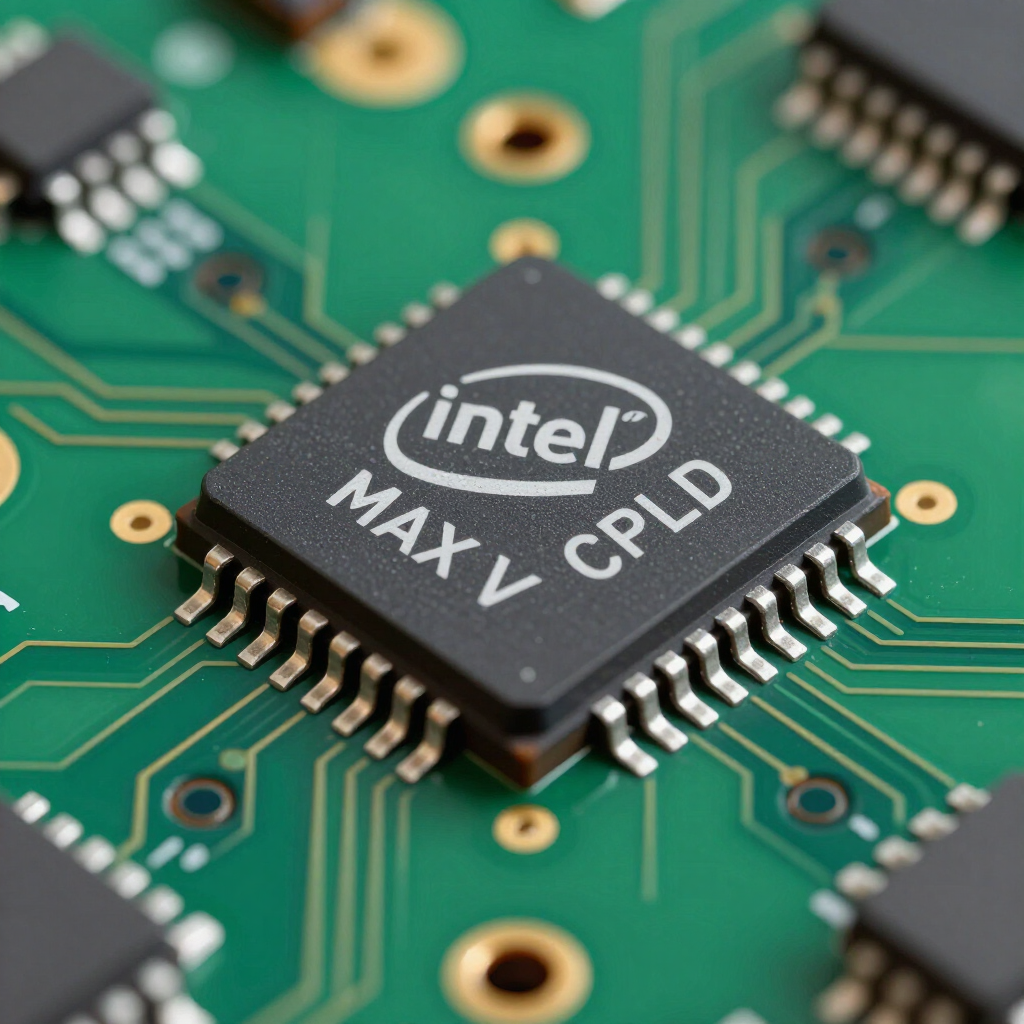
Intel 5M240ZT100C4N CPLD chip on a circuit board
July 17, 2026
Learn 5 ways to utilize the Intel 5M240ZT100C4N CPLD for low-power applications. Contact us for sourcing electronic components.
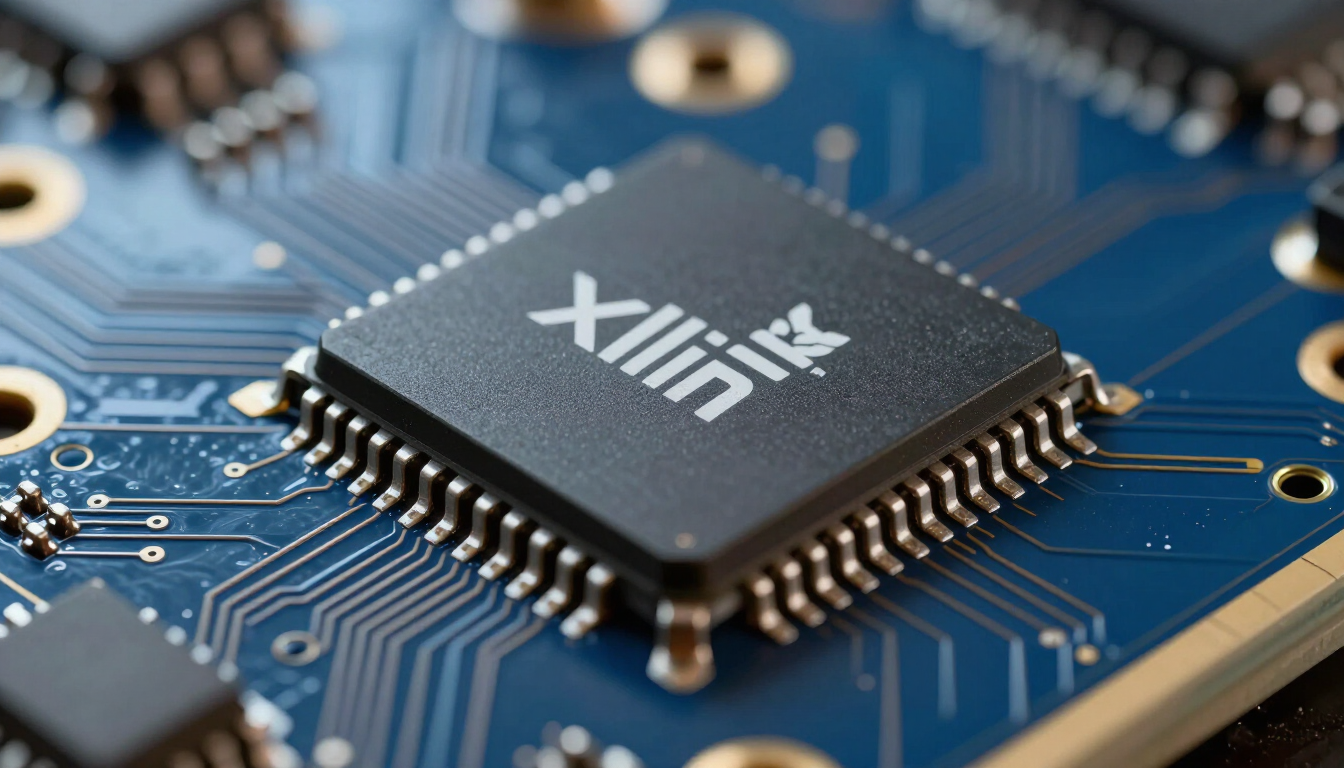
Xilinx XCZU4EV-2SFVC784I Electronic Component on PCB
July 14, 2026
Learn about the XCZU4EV-2SFVC784I's features for video processing & automation. Contact us for sourcing electronic components.

Close-up of electronic component date codes on a semiconductor.
July 14, 2026
Learn how to read electronic component date codes to ensure part authenticity, manage shelf life, and mitigate risks in your supply chain.
July 11, 2026
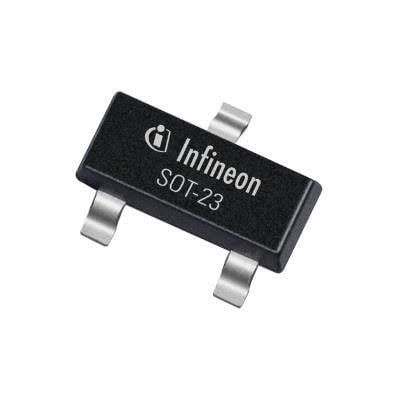
Electronic component procurement is about more than finding inventory—it's about managing risk, ensuring quality, and maintaining production continuity. When sourcing obsolete or difficult-to-find components such as the Infineon BFR193 E6327 , procurement professionals should also understand the importance of industry quality standards like AS6081 . If your organization supports legacy RF equipment or long-life electronic systems, this guide explains what the BFR193 E6327 is, where it is commonly used, and why AS6081 matters when sourcing discontinued electronic components. What Is the Infineon BFR193 E6327? The Infineon BFR193 E6327 is a high-linearity NPN silicon RF bipolar transistor designed for low-noise and broadband RF amplification. It is packaged in a compact SOT-23 surface-mount package and was intended for RF applications operating up to approximately 2 GHz . Infineon identifies the product as End of Life (EOL) , meaning it is no longer in active production. ( Infineon ) Key Specifications ParameterValueManufacturerInfineon TechnologiesPart NumberBFR193 E6327Device TypeNPN Silicon RF Bipolar TransistorPackageSOT-23Maximum Collector-Emitter Voltage (VCEO)12 V Maximum Collector Current 80 mA Transition Frequency (fT)8 GHz (typical)Minimum Noise Figure1 dB @ 900 MHzTypical ApplicationsRF amplifiers, broadband amplifiers, low-noise RF circuits The transistor was designed to provide excellent linearity and low noise, making it suitable for many wireless communication applications. ( Infineon ) Typical Applications Although the BFR193 is no longer manufactured, many legacy products continue using it. Typical applications include: RF preamplifiers Low-noise amplifiers (LNA) Broadband amplifiers Wireless communication equipment Industrial RF control systems Test and measurement equipment Signal conditioning circuits RF receiver front ends Telecommunications equipment Because many industrial and communications products remain in service for years after production ends, demand for discontinued RF transistors often continues long after manufacturers discontinue them. Product Lifecycle Status One of the first things procurement professionals should verify is the lifecycle status of a component. The Infineon BFR193 E6327 is officially classified as an End-of-Life (EOL) product. That means: New factory production has ended. Future availability depends on remaining inventory in the supply chain. Availability may become increasingly limited over time. Lead times and pricing can fluctuate significantly. ( Infineon ) For organizations supporting legacy products, this makes proactive sourcing especially important. Challenges of Sourcing End-of-Life RF Components Purchasing obsolete RF components presents unique challenges. Common issues include: Limited global inventory Increasing lead times Price volatility Counterfeit risk Inconsistent documentation Engineering redesign decisions Waiting until production inventory is exhausted often reduces available sourcing options. Why AS6081 Matters When purchasing obsolete or difficult-to-find electronic components, quality becomes just as important as availability. One widely recognized industry standard is SAE AS6081 . AS6081 establishes practices intended to reduce the risk of counterfeit electronic components entering the supply chain. The standard provides guidance for independent distributors and procurement organizations on supplier qualification, documentation, inspection, traceability, and risk management. While AS6081 does not certify individual components as "genuine," it outlines a disciplined framework for responsible sourcing. Key Elements of AS6081 Organizations that follow AS6081 principles typically emphasize: Supplier Qualification Evaluating supplier history, performance, and sourcing practices before purchasing components. Documentation Review Reviewing available documentation such as: Certificates of Conformance (when available) Lot identification Date codes Packaging information Shipping documentation Traceability Maintaining records that document the movement of components through the supply chain whenever possible. Risk Assessment Evaluating factors such as: Product lifecycle status Market availability Supplier history Pricing anomalies Component scarcity Inspection Procedures Inspection practices may include: Visual examination Packaging verification Marking inspection Dimensional verification Electrical testing, depending on organizational requirements These practices help organizations reduce procurement risk when sourcing obsolete components. Best Practices When Purchasing the BFR193 E6327 If your organization needs the Infineon BFR193 E6327, consider the following procurement steps: Verify the Complete Part Number Small suffix differences can indicate: Packaging variations Tape-and-reel configuration Compliance differences Always verify the full manufacturer's part number before placing an order. Confirm Lifecycle Status Review current manufacturer information and determine whether alternate devices are available. If production continues for your finished product, begin planning before inventory becomes scarce. Request Supporting Documentation When available, request documentation such as: Date code information Lot identification Packaging photographs Certificates of Conformance Traceability documentation Documentation supports internal procurement and quality procedures. Evaluate Alternate Components Engineering may determine that newer RF transistors provide equivalent or improved performance. When redesign is practical, alternate devices may improve long-term supply stability. Work with Experienced Sourcing Partners Obsolete RF components often require access to global supplier networks. Experienced sourcing specialists can help locate available inventory while supporting responsible procurement practices. Redesign or Continue Sourcing? Organizations supporting legacy equipment eventually face an important question: Should we continue sourcing obsolete inventory, or redesign the product? Factors to evaluate include: Remaining product life Customer support obligations Available inventory Engineering costs Regulatory requirements Long-term component availability For some products, purchasing remaining inventory is the most economical option. For others, redesigning around currently manufactured components may reduce future supply chain risk. How Odic MG Can Help Odic MG specializes in sourcing hard-to-find , obsolete , and End-of-Life electronic components for OEMs, contract manufacturers, industrial equipment manufacturers, and repair organizations. Whether you're searching for the Infineon BFR193 E6327 or another difficult-to-locate RF transistor, our team works with a global supplier network to help identify available inventory and respond quickly to urgent procurement requirements. We understand the importance of quality documentation, responsive communication, and disciplined sourcing practices when supporting legacy electronic products.

High-tech laboratory inspecting electronic components for authenticity.
July 1, 2026
Learn essential strategies for procurement professionals to identify and avoid counterfeit electronic components. Protect your supply chain with expert tips and testing protocols.

Digital representation of electronic components and supply chain risk management connectivity.
June 18, 2026
Master BOM risk management to avoid production delays. Learn strategies for sourcing hard-to-find components and managing obsolescence with Odic MG.

Aisle of stocked store shelves with colorful boxes and packaged goods in a bright warehouse-style interior
June 8, 2026
Understand responsible sourcing of electronic components. Ensure quality & reliability. Contact us for expert guidance!

Close up of electronic microchip with quality seal icon representing AS6081 standard
May 19, 2026
Learn what AS6081 is and how it protects your supply chain from counterfeit electronic components. A comprehensive guide for sourcing professionals.