





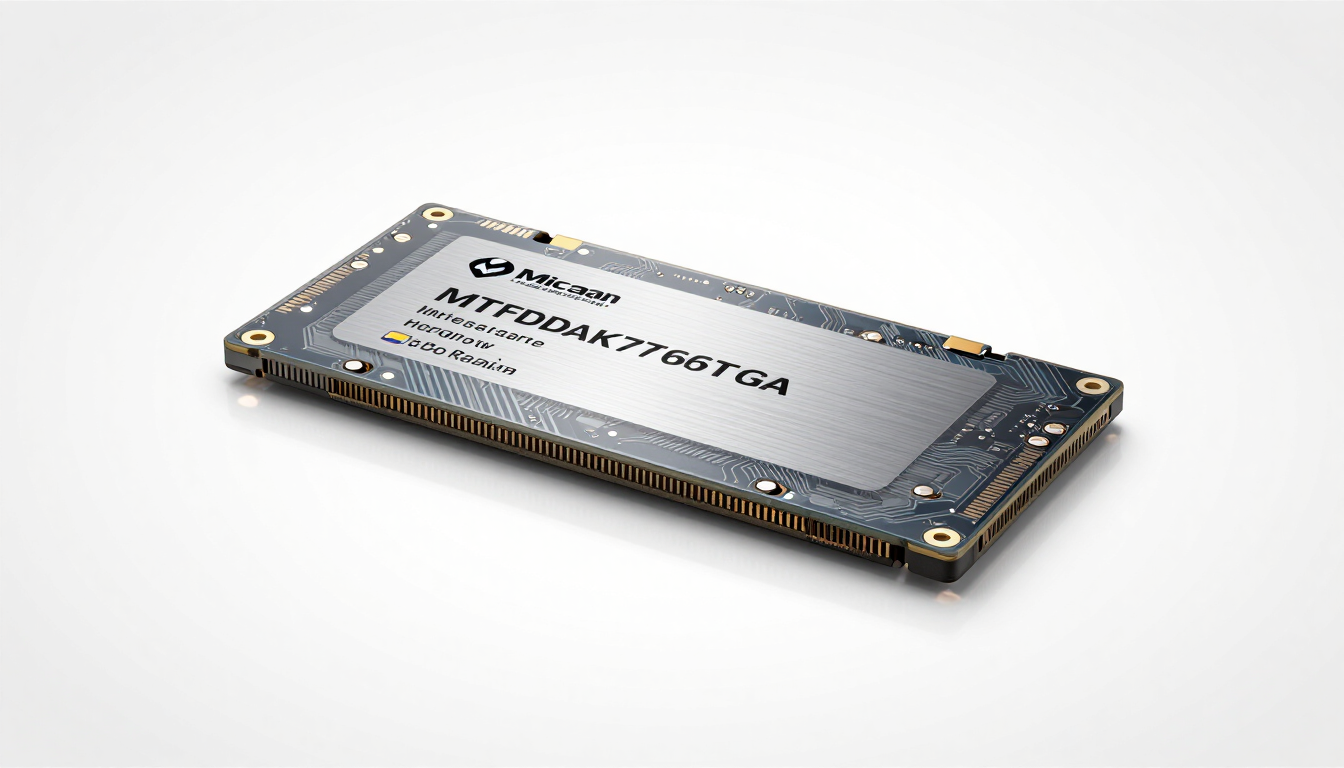
Explore the Micron MTFDDAK7T6TGA-1BC1ZABYY SSD for data centers. Contact us for expert guidance on server storage solutions.
Learn how to choose reliable suppliers for medical device components. Ensure safety & compliance in healthcare technology.
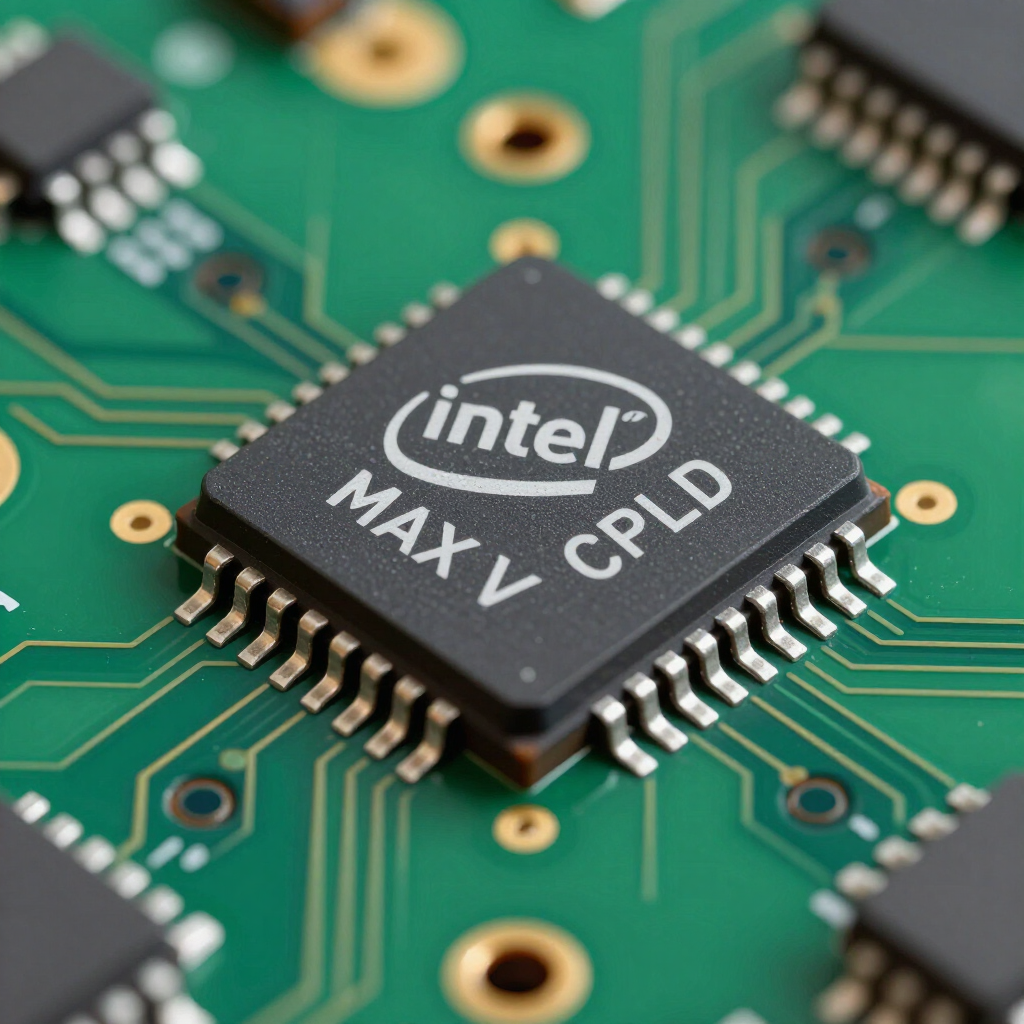
Learn 5 ways to utilize the Intel 5M240ZT100C4N CPLD for low-power applications. Contact us for sourcing electronic components.
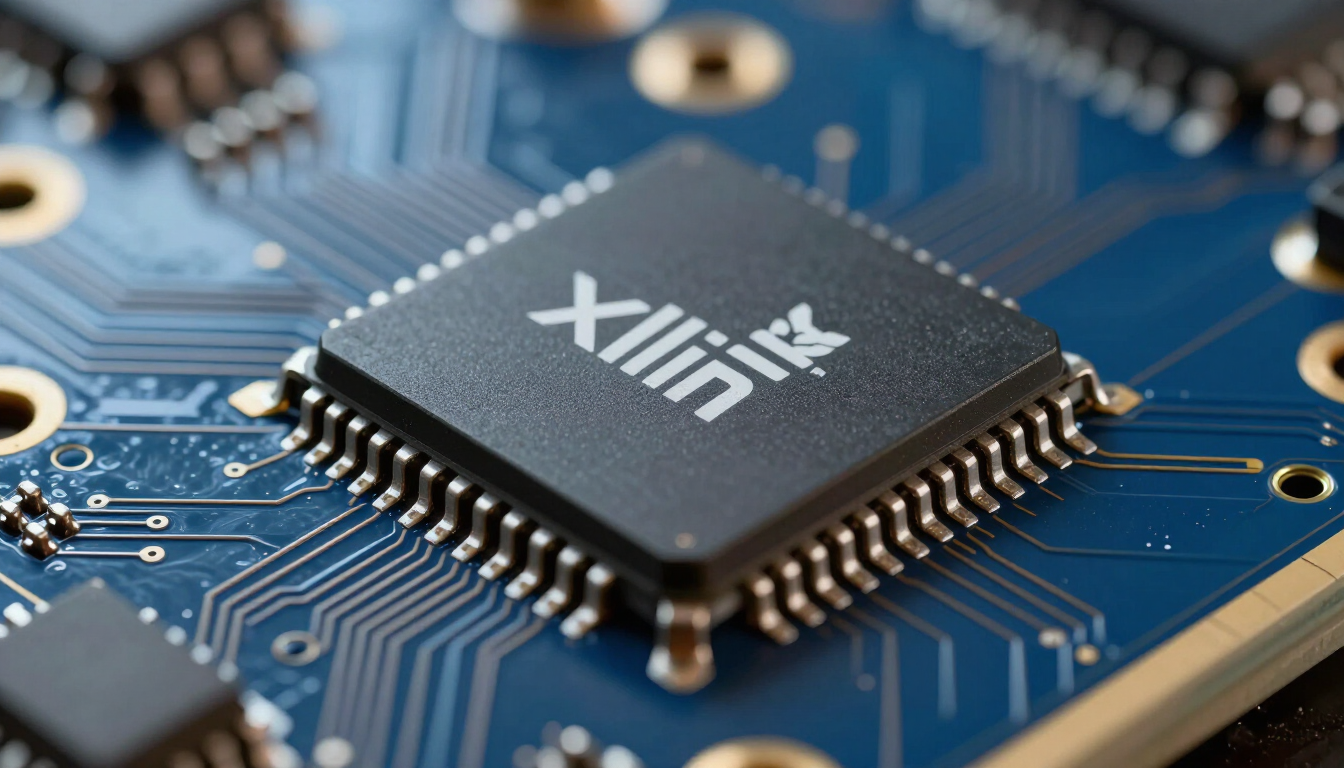
Learn about the XCZU4EV-2SFVC784I's features for video processing & automation. Contact us for sourcing electronic components.
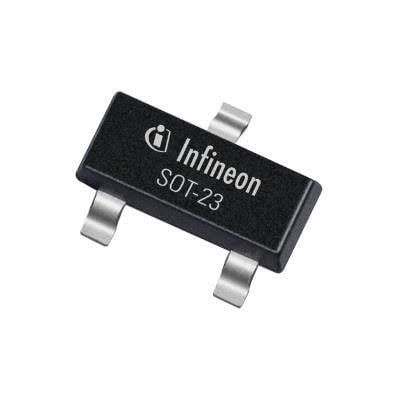
Electronic component procurement is about more than finding inventory—it's about managing risk, ensuring quality, and maintaining production continuity. When sourcing obsolete or difficult-to-find components such as the Infineon BFR193 E6327 , procurement professionals should also understand the importance of industry quality standards like AS6081 . If your organization supports legacy RF equipment or long-life electronic systems, this guide explains what the BFR193 E6327 is, where it is commonly used, and why AS6081 matters when sourcing discontinued electronic components. What Is the Infineon BFR193 E6327? The Infineon BFR193 E6327 is a high-linearity NPN silicon RF bipolar transistor designed for low-noise and broadband RF amplification. It is packaged in a compact SOT-23 surface-mount package and was intended for RF applications operating up to approximately 2 GHz . Infineon identifies the product as End of Life (EOL) , meaning it is no longer in active production. ( Infineon ) Key Specifications ParameterValueManufacturerInfineon TechnologiesPart NumberBFR193 E6327Device TypeNPN Silicon RF Bipolar TransistorPackageSOT-23Maximum Collector-Emitter Voltage (VCEO)12 V Maximum Collector Current 80 mA Transition Frequency (fT)8 GHz (typical)Minimum Noise Figure1 dB @ 900 MHzTypical ApplicationsRF amplifiers, broadband amplifiers, low-noise RF circuits The transistor was designed to provide excellent linearity and low noise, making it suitable for many wireless communication applications. ( Infineon ) Typical Applications Although the BFR193 is no longer manufactured, many legacy products continue using it. Typical applications include: RF preamplifiers Low-noise amplifiers (LNA) Broadband amplifiers Wireless communication equipment Industrial RF control systems Test and measurement equipment Signal conditioning circuits RF receiver front ends Telecommunications equipment Because many industrial and communications products remain in service for years after production ends, demand for discontinued RF transistors often continues long after manufacturers discontinue them. Product Lifecycle Status One of the first things procurement professionals should verify is the lifecycle status of a component. The Infineon BFR193 E6327 is officially classified as an End-of-Life (EOL) product. That means: New factory production has ended. Future availability depends on remaining inventory in the supply chain. Availability may become increasingly limited over time. Lead times and pricing can fluctuate significantly. ( Infineon ) For organizations supporting legacy products, this makes proactive sourcing especially important. Challenges of Sourcing End-of-Life RF Components Purchasing obsolete RF components presents unique challenges. Common issues include: Limited global inventory Increasing lead times Price volatility Counterfeit risk Inconsistent documentation Engineering redesign decisions Waiting until production inventory is exhausted often reduces available sourcing options. Why AS6081 Matters When purchasing obsolete or difficult-to-find electronic components, quality becomes just as important as availability. One widely recognized industry standard is SAE AS6081 . AS6081 establishes practices intended to reduce the risk of counterfeit electronic components entering the supply chain. The standard provides guidance for independent distributors and procurement organizations on supplier qualification, documentation, inspection, traceability, and risk management. While AS6081 does not certify individual components as "genuine," it outlines a disciplined framework for responsible sourcing. Key Elements of AS6081 Organizations that follow AS6081 principles typically emphasize: Supplier Qualification Evaluating supplier history, performance, and sourcing practices before purchasing components. Documentation Review Reviewing available documentation such as: Certificates of Conformance (when available) Lot identification Date codes Packaging information Shipping documentation Traceability Maintaining records that document the movement of components through the supply chain whenever possible. Risk Assessment Evaluating factors such as: Product lifecycle status Market availability Supplier history Pricing anomalies Component scarcity Inspection Procedures Inspection practices may include: Visual examination Packaging verification Marking inspection Dimensional verification Electrical testing, depending on organizational requirements These practices help organizations reduce procurement risk when sourcing obsolete components. Best Practices When Purchasing the BFR193 E6327 If your organization needs the Infineon BFR193 E6327, consider the following procurement steps: Verify the Complete Part Number Small suffix differences can indicate: Packaging variations Tape-and-reel configuration Compliance differences Always verify the full manufacturer's part number before placing an order. Confirm Lifecycle Status Review current manufacturer information and determine whether alternate devices are available. If production continues for your finished product, begin planning before inventory becomes scarce. Request Supporting Documentation When available, request documentation such as: Date code information Lot identification Packaging photographs Certificates of Conformance Traceability documentation Documentation supports internal procurement and quality procedures. Evaluate Alternate Components Engineering may determine that newer RF transistors provide equivalent or improved performance. When redesign is practical, alternate devices may improve long-term supply stability. Work with Experienced Sourcing Partners Obsolete RF components often require access to global supplier networks. Experienced sourcing specialists can help locate available inventory while supporting responsible procurement practices. Redesign or Continue Sourcing? Organizations supporting legacy equipment eventually face an important question: Should we continue sourcing obsolete inventory, or redesign the product? Factors to evaluate include: Remaining product life Customer support obligations Available inventory Engineering costs Regulatory requirements Long-term component availability For some products, purchasing remaining inventory is the most economical option. For others, redesigning around currently manufactured components may reduce future supply chain risk. How Odic MG Can Help Odic MG specializes in sourcing hard-to-find , obsolete , and End-of-Life electronic components for OEMs, contract manufacturers, industrial equipment manufacturers, and repair organizations. Whether you're searching for the Infineon BFR193 E6327 or another difficult-to-locate RF transistor, our team works with a global supplier network to help identify available inventory and respond quickly to urgent procurement requirements. We understand the importance of quality documentation, responsive communication, and disciplined sourcing practices when supporting legacy electronic products.

Learn essential strategies for procurement professionals to identify and avoid counterfeit electronic components. Protect your supply chain with expert tips and testing protocols.

Struggling with supply chain delays? Learn how to reduce long lead times for electronic components with forecasting, local sourcing, and expert distribution strategies.

Master BOM risk management to avoid production delays. Learn strategies for sourcing hard-to-find components and managing obsolescence with Odic MG.

Understand responsible sourcing of electronic components. Ensure quality & reliability. Contact us for expert guidance!

Learn what AS6081 is and how it protects your supply chain from counterfeit electronic components. A comprehensive guide for sourcing professionals.